
Tags
Filter 3688 resources:
- media (436)
- social media (381)
- news (363)
- ai (332)
- facebook (328)
- disinformation (240)
- psychology (191)
- innovation (177)
- content strategy (171)
- tool (170)
- community (166)
- journalism (149)
- productivity (145)
- design (121)
- filter bubble (120)
- management (120)
- curation (115)
- algorithm (108)
- llm (105)
- atprotocol (102)
- storytelling (96)
- twitter (94)
- eu (93)
- comments (88)
- trump (86)
- content marketing (81)
- politics (81)
- science (79)
- promotion (78)
- content (75)
- bluesky (70)
- creativity (70)
- medium (66)
- bot (65)
- video (63)
- covid19 (63)
- google (62)
- fediverse (61)
- data (61)
- blockchain (60)
- audiovisual (59)
- blogging (59)
- trust (58)
- privacy (58)
- us2020 (57)
- democracy (56)
- organisation (55)
- native advertising (54)
- ux (53)
- mobile (52)
- strategy (52)
- metrics (52)
- factchecking (49)
- us (47)
- participation (45)
- longform (45)
- troll (44)
- advertising (44)
- identity (44)
- blog (43)
- marketing (43)
- enewsletter (43)
- bloggingportal (43)
- chatgpt (43)
- online architecture (43)
- cognitive (42)
- internal communications (41)
- leadership (40)
- startup (40)
- data visualisation (40)
- ocm (40)
- digital transformation (40)
- semantic (39)
- communications (38)
- regulation (37)
- data journalism (37)
- web design (36)
- conspiracy (35)
- machine learning (35)
- polarization (35)
- linkedin (35)
- myhub (35)
- engagement (35)
- project management (34)
- hr (34)
- science journalism (33)
- employee engagement (33)
- knowledge management (33)
- guide (33)
- autonomous (32)
- audience research (31)
- 2ndbrain (31)
- open web (30)
- taxibot (29)
- gender (29)
- mastodon (29)
- activitypub (28)
- podcast (28)
- culture (27)
- moderation (27)
- visualisation (27)
- ai4communities (27)
- censorship (26)
- instant articles (26)
- seo (25)
- science communication (25)
- collaboration (24)
- decentralised (24)
- brexit (24)
- augmented reality (23)
- platform (23)
- visual (22)
- open source (22)
- technology (22)
- business model (22)
- nytimes (22)
- interactive (21)
- bias (21)
- ethics (21)
- collective intelligence (21)
- search (20)
- brussels bubble (20)
- obsidian (20)
- usa (20)
- snapchat (19)
- future (19)
- backfire effect (19)
- society (19)
- bbc (19)
- policy (19)
- surveillance (19)
- publicsphere (19)
- transport (19)
- groupthink (18)
- humour (18)
- propaganda (18)
- evidence-based policy (18)
- web (18)
- viral (17)
- explainer (17)
- instagram (16)
- ai prompt (16)
- virtual reality (16)
- politicoeu (16)
- infographic (16)
- realtime (16)
- gtd (16)
- bullshit (16)
- zettelkasten (16)
- event (16)
- newsroom (16)
- populism (16)
- nlp (15)
- bestof2015 (15)
- change (15)
- cambridge analytica (15)
- roamresearch (15)
- atprotocol lexicon (15)
- persuasion (15)
- pr (15)
- uk (15)
- authenticity (15)
- social marketing (15)
- analytics (14)
- copyright (14)
- transparency (14)
- minimalist (14)
- app (14)
- brand (14)
- google+ (14)
- philosophy (14)
- writing (14)
- meeting (14)
- information (14)
- clickbait (13)
- attentionweb (13)
- big data (13)
- futurism (13)
- disruption (13)
- agile (13)
- cms (13)
- qanon (13)
- intranet (12)
- hate (12)
- post-truth (12)
- gpt-x (12)
- annotate (12)
- fascism (12)
- top3pods (12)
- delegitimise (12)
- stream (12)
- amp (12)
- multilingualism (12)
- ea (12)
- html5 (12)
- cards (12)
- tv (12)
- slack (12)
- education (11)
- ideation (11)
- influence (11)
- confirmation bias (11)
- gdpr (11)
- messaging (11)
- addiction (11)
- dao (11)
- cory doctorow (11)
- happiness (11)
- echo chamber (11)
- gamification (11)
- animation (11)
- publishing (11)
- buzzfeed (11)
- framework (10)
- sceptic (10)
- editorial (10)
- interface (10)
- yanss (10)
- apple (10)
- training (10)
- mindfulness (10)
- tribe (10)
- conversation (10)
- outreach (10)
- laurens hof (10)
- unfinished (10)
- presentation (10)
- k4p (10)
- leaflet (10)
- russia (10)
- eurosceptic (10)
- livestream (10)
- image (9)
- partisan (9)
- atomisation (9)
- climate (9)
- rss (9)
- bitcoin (9)
- nostr (9)
- free speech (9)
- gds (9)
- persona (9)
- deletefacebook (9)
- holacracy (9)
- software (9)
- workation (9)
- vote (9)
- cofoe (9)
- hoax (9)
- narratives (9)
- media literacy (9)
- ec (9)
- (8)
- crowdsourcing (8)
- andy matuschak (8)
- free (8)
- blogpocalypse (8)
- api (8)
- substack (8)
- standard.site (8)
- ui (8)
- automation (8)
- intro (8)
- lobby (8)
- drupal (8)
- ai-agent-gpt (8)
- egovernment (8)
- usability (8)
- ethan mollick (8)
- design thinking (8)
- europe (8)
- 360video (8)
- sovereignty (8)
- responsive (8)
- email (7)
- narcissism (7)
- personalisation (7)
- antivaxxer (7)
- car (7)
- betaworx (7)
- wikipedia (7)
- quartz (7)
- jeff jarvis (7)
- chat (7)
- optimisation (7)
- ethereum (7)
- memory (7)
- enshittification (7)
- domestic (7)
- fblabrats (7)
- china (7)
- theme (7)
- centaur (7)
- office365 (7)
- knowledge graph (7)
- ello (7)
- deep fake (7)
- evolution (7)
- discourse (7)
- cookies (7)
- notification (7)
- circa (7)
- sponsored content (7)
- nft (7)
- monetisation (7)
- conference report (6)
- meme (6)
- bluesky custom feeds (6)
- truth (6)
- ai search (6)
- scrollytelling (6)
- blogger (6)
- expert (6)
- web development (6)
- signaltonoise (6)
- vine (6)
- outrage (6)
- reddit (6)
- interoperability (6)
- youtube (6)
- datamining (6)
- risk (6)
- atmosphereconf2026 (6)
- google analytics (6)
- blacksky (6)
- headline (6)
- gordon brander (6)
- gif (6)
- election (6)
- inscrutable (6)
- ep (6)
- jobtodo (6)
- network theory (6)
- psychometrics (6)
- massive.wiki (5)
- rag (5)
- tumblr (5)
- antitrust (5)
- web3 (5)
- dni (5)
- anti (5)
- pitch (5)
- pay4content (5)
- model collapse (5)
- vox (5)
- information architecture (5)
- suppress (5)
- joan westenberg (5)
- twitter migration (5)
- it (5)
- christine lemmer-webber (5)
- boris mann (5)
- wiki (5)
- recap (5)
- brainstorming (5)
- product/market fit (5)
- debunk (5)
- iot (5)
- city (5)
- guardian (5)
- economics (5)
- game (5)
- bubble (5)
- coral (5)
- sublime (5)
- powerpoint (5)
- share (5)
- team (5)
- emotion (5)
- cozyweb (5)
- coda (5)
- ahoy2025 (5)
- threads (5)
- meaning (5)
- semble (5)
- moments (5)
- homepage (5)
- youth (5)
- coach (5)
- expertise (5)
- bundle (5)
- b2b4me (5)
- open science (5)
- crm (5)
- euro (5)
- bookmark (5)
- local (5)
- solutions journalism (4)
- language (4)
- complex (4)
- machine translation (4)
- fbpaper (4)
- peakbot (4)
- power (4)
- p2p (4)
- amazon (4)
- personal (4)
- ipr (4)
- example (4)
- trello (4)
- elon musk (4)
- impact (4)
- open data (4)
- notion (4)
- bandwagon (4)
- credibility (4)
- competition (4)
- dunning-kruger (4)
- note (4)
- pluralistic ignorance (4)
- business (4)
- inoculation (4)
- internet (4)
- logo (4)
- author (4)
- diversity (4)
- physics (4)
- publicsector (4)
- buffer (4)
- indieweb (4)
- network effect (4)
- subconscious (4)
- social (4)
- knowledge visualisation (4)
- compositional (4)
- notebooklm (4)
- cryptocurrency 2.0 (4)
- authoritarianism (4)
- facebook live (4)
- spaced repetition (4)
- context (4)
- langchain (4)
- embedding (4)
- wordpress (4)
- whitewind (4)
- longreads (4)
- roi (4)
- sentiment analysis (4)
- music (4)
- habit (4)
- groundmist (4)
- biology (4)
- mooc (4)
- digital (4)
- motivated (4)
- autogpt (4)
- work (4)
- conversational (4)
- tag (4)
- perplexity.ai (4)
- comics (4)
- forgotten (4)
- wapo (3)
- ghost (3)
- permissioned data (3)
- statistics (3)
- consultancy (3)
- finance (3)
- use case (3)
- meditation (3)
- scraping (3)
- ft (3)
- mike masnick (3)
- empathy (3)
- campaign (3)
- art (3)
- filter (3)
- trends (3)
- fotl (3)
- government (3)
- lean canvas (3)
- willpower (3)
- crowdfunding (3)
- framing (3)
- meta (3)
- scuttlebutt (3)
- remote (3)
- mental health (3)
- label (3)
- morality (3)
- diverse (3)
- pkm (3)
- defi (3)
- australia (3)
- millennials (3)
- memex (3)
- sharepoint (3)
- open government (3)
- globalisation (3)
- attie (3)
- 5whys (3)
- economy (3)
- digital garden (3)
- syndication (3)
- planning (3)
- trending (3)
- wechat (3)
- health (3)
- crisis (3)
- fail (3)
- eurosky (3)
- quantum (3)
- law (3)
- ecosystem (3)
- understanding (3)
- bryan newbold (3)
- silos (3)
- synthesise (3)
- demographics (3)
- resilience (3)
- botshit (3)
- gmo (3)
- openai (3)
- office (3)
- traffic (3)
- abtesting (3)
- assistant (3)
- machine text (3)
- paywall (3)
- cosmik (3)
- live (3)
- infopocalypse (3)
- logistics (3)
- new public (3)
- security (3)
- blm (3)
- adblock (3)
- religion (3)
- multitasking (3)
- misinform (3)
- casey newton (3)
- ma parent (3)
- journal (3)
- opinion (3)
- idpi (3)
- paper (3)
- behaviour (3)
- altmetric (3)
- llama (3)
- intrapreneur (3)
- sensemaking (3)
- archive (3)
- smartcities (3)
- resources (3)
- uber (3)
- history (3)
- infowar (3)
- explanatory (3)
- adversarial interoperability (3)
- mvp (3)
- autosummarise (3)
- user (3)
- fomo (3)
- ibm (3)
- fear (3)
- robert putnam (3)
- values (3)
- dark pattern (3)
- comment (3)
- governance (3)
- douglas rushkoff (3)
- transmedia (3)
- library (3)
- vc (3)
- mixed reality (3)
- goals (3)
- dissonance (3)
- usp (3)
- magazine (3)
- social capital (3)
- pressrelease (3)
- solid (3)
- corporate journalism (3)
- conference (3)
- agent (3)
- posse (3)
- chatbot (3)
- rebelmouse (3)
- aggrefilter (3)
- harpa (3)
- radio (3)
- scicomm (3)
- hbr (3)
- wisdom (3)
- token (3)
- slideshow (3)
- multimedia (3)
- pattern language (3)
- report (3)
- data enrichment (3)
- safety (2)
- spain (2)
- edelman (2)
- sequoia (2)
- startupy (2)
- asana (2)
- gov2.0 (2)
- wellness (2)
- reflectivity (2)
- incubator (2)
- game theory (2)
- liquid democracy (2)
- stowe boyd (2)
- renee diresta (2)
- grjte (2)
- integrated (2)
- digg (2)
- consultation (2)
- nuzzle (2)
- conform (2)
- matrix (2)
- monopoly (2)
- mindhack (2)
- ted chiang (2)
- geo (2)
- fleeting (2)
- publication (2)
- eci (2)
- bloom (2)
- icebucketchallenge (2)
- crowdculture (2)
- civil rights (2)
- kickstarter (2)
- micro.blog (2)
- timeline (2)
- microsoft (2)
- template (2)
- atavist (2)
- isis (2)
- loyalty (2)
- networking (2)
- mediafr (2)
- postmodern (2)
- circa2 (2)
- seenthis (2)
- hype (2)
- kpi (2)
- ios (2)
- brave (2)
- listicle (2)
- fiction (2)
- plagiarism (2)
- farcaster (2)
- hoaxy (2)
- livefyre (2)
- ngo (2)
- medicine (2)
- fedwiki (2)
- scaling synthesis (2)
- eparltv (2)
- gpt-4o (2)
- python (2)
- text (2)
- video_conferencing (2)
- knowledge illusion (2)
- paul frazee (2)
- anonymity (2)
- atconnect (2)
- atproto adoption (2)
- collaborate (2)
- story (2)
- liveblogging (2)
- pdf (2)
- maths (2)
- cohesion (2)
- planetary (2)
- spambot (2)
- feed (2)
- ebook (2)
- quora (2)
- blogosphere (2)
- mermaid (2)
- online (2)
- healthcare (2)
- documentary (2)
- plato (2)
- freelancer (2)
- klout (2)
- liberalism (2)
- standards (2)
- agriculture (2)
- open innovation (2)
- computational propaganda (2)
- nz (2)
- skills (2)
- storyful (2)
- fivethirtyeight (2)
- atlantic (2)
- diaspora (2)
- membership (2)
- sari azout (2)
- geopolitics (2)
- arg (2)
- buzzbot (2)
- gawker (2)
- disgustology (2)
- agora (2)
- screencast (2)
- antiviral (2)
- zapier (2)
- flancian (2)
- adaptive (2)
- italy (2)
- cor (2)
- newsfeed (2)
- open letter (2)
- keyword (2)
- basecamp (2)
- selfish (2)
- reader (2)
- audio (2)
- twitterenvy (2)
- telegram (2)
- ibeacon (2)
- google assistant (2)
- multisig (2)
- river4 (2)
- cooperatives (2)
- backlink (2)
- photography (2)
- geofence (2)
- yammer (2)
- vice (2)
- chris aldrich (2)
- 3d (2)
- eurocrap (2)
- green (2)
- gab (2)
- sales (2)
- streamplace (2)
- markdown (2)
- network (2)
- jerry michalski (2)
- metaphor (2)
- metaverse (2)
- mobocracy (2)
- meerkat (2)
- entrepreneurs (2)
- excalidraw (2)
- paradigm (2)
- perception (2)
- rationality (2)
- wealth (2)
- colour (2)
- alignment (2)
- serendipity (2)
- centralised (2)
- ai-image (2)
- taxonomy (2)
- partnership (2)
- anisota (2)
- roundabout (2)
- voice (2)
- internet of things (2)
- apathy (2)
- meritocracy (2)
- commonspub (2)
- cx (2)
- smart contract (2)
- survey (2)
- how to (2)
- emily m bender (2)
- mapping (2)
- freedom (2)
- trade (2)
- navigation (2)
- guru (2)
- tutorial (2)
- task (2)
- canonical debate lab (2)
- digital natives (2)
- routine (2)
- apocalypse (2)
- tourism (2)
- procrastination (2)
- slideshare (2)
- capitalism (2)
- nsa (2)
- readwise (2)
- co-creation (2)
- mentor (2)
- cloud (2)
- reinventing (2)
- funding (2)
- reality (2)
- efficiency (2)
- claude code (2)
- early adopter (2)
- ruben verborgh (2)
- migration (2)
- npr (2)
- desirability (2)
- tiktok (2)
- nudge (2)
- intelligence (2)
- h2020 (2)
- signal2noise (2)
- counter speech (2)
- calendar (2)
- egov (2)
- plugin (2)
- nasa (2)
- code interpreter (2)
- gander (2)
- ontology (2)
- career (2)
- wearable (2)
- floc (2)
- inequality (2)
- jagged frontier (1)
- liberating structures (1)
- overfitting (1)
- corruption (1)
- search-or-create (1)
- truth psychology (1)
- llama2 (1)
- upworthy (1)
- lexii.ai (1)
- unreality (1)
- international (1)
- ostrom (1)
- telepresence (1)
- tailwind (1)
- spectacles (1)
- freeourfeeds (1)
- hume (1)
- argdown (1)
- cro (1)
- false memory (1)
- deep learning (1)
- composable (1)
- statup (1)
- content partnership (1)
- esport (1)
- speed (1)
- app development (1)
- threadapalooza (1)
- gems app (1)
- adobe (1)
- terrorism (1)
- onboarding (1)
- section230 (1)
- quaero (1)
- test (1)
- robin berjon (1)
- lgbt (1)
- myers briggs (1)
- crosspost (1)
- thought leadership (1)
- steem (1)
- mtf (1)
- sill (1)
- alphafold (1)
- lifelonglearning (1)
- expiration (1)
- information laundering (1)
- ward cunningham (1)
- fair (1)
- smart connections (1)
- quality (1)
- membrain (1)
- the conversation (1)
- ub (1)
- storyline (1)
- course (1)
- twins (1)
- evgeny morozov (1)
- humility (1)
- boredom (1)
- choice (1)
- ibm watson (1)
- theatre (1)
- sparse data (1)
- ektron (1)
- compass news (1)
- ecology (1)
- slidecast (1)
- chameleon (1)
- ai psychosis (1)
- review (1)
- periscope (1)
- loforo (1)
- trove (1)
- sociology (1)
- nautilus (1)
- heart (1)
- circuit-breaker (1)
- inception (1)
- coopetition (1)
- distributed (1)
- open ledger project (1)
- upday (1)
- portfolio (1)
- delusion (1)
- zuboff (1)
- “illusory (1)
- purpose (1)
- social login (1)
- profile (1)
- pets (1)
- bureaucracy (1)
- balance (1)
- imdb (1)
- process (1)
- empath (1)
- flux garden (1)
- bridgit (1)
- tools (1)
- urbit (1)
- renée diresta (1)
- answer engine (1)
- prompt engineering (1)
- 3dprinting (1)
- harvest (1)
- bootstrapping (1)
- open access (1)
- cmv (1)
- trust net (1)
- anger (1)
- storymapjs (1)
- sane app (1)
- adaptive content (1)
- firefox (1)
- bonfire (1)
- jason butterfield (1)
- muckread (1)
- reflect (1)
- hololens (1)
- horizonprogramme (1)
- llmo (1)
- diig (1)
- blackpr (1)
- block (1)
- dikw (1)
- creativecommons (1)
- peter kaminski (1)
- crime (1)
- liability (1)
- imposter syndrome (1)
- optimism (1)
- continuous scroll (1)
- i-book (1)
- o1 (1)
- accessibility (1)
- commoditisation (1)
- venue (1)
- slow news (1)
- documentum (1)
- glossary (1)
- po.et (1)
- rewild (1)
- research (1)
- yoyogi app (1)
- cpms (1)
- guidelines (1)
- ambassador (1)
- faceted search (1)
- litmus (1)
- fwb (1)
- peak (1)
- elearning (1)
- vsop (1)
- bard (1)
- dynamics (1)
- wargame (1)
- al (1)
- chipotle (1)
- spark (1)
- moc (1)
- nature magazine (1)
- fakebox (1)
- coase (1)
- visualization (1)
- facial blindness (1)
- commonplace (1)
- anthropocentric (1)
- toptask (1)
- euvsdisinfo (1)
- philippines (1)
- verge (1)
- fuego (1)
- polls (1)
- manufacturing (1)
- vr (1)
- arena (1)
- will storr (1)
- social fiction (1)
- original (1)
- ukraine (1)
- aspire (1)
- farm (1)
- custom search (1)
- kipclip (1)
- loqseq (1)
- sensors (1)
- sidewire (1)
- cocomo (1)
- quantum computing (1)
- filecoin (1)
- screen writing (1)
- ezra klein (1)
- extraheric (1)
- personality (1)
- halo (1)
- blockstream (1)
- dissemination (1)
- seme (1)
- telework (1)
- biased assimilation (1)
- customers (1)
- cookiepocalypse (1)
- ghostreader (1)
- sf (1)
- rdf (1)
- epistocracy (1)
- dall-e3 (1)
- citizenship (1)
- notd (1)
- homophily (1)
- define (1)
- flicc (1)
- spitzenkanditaten (1)
- deplatform (1)
- cancel culture (1)
- overview (1)
- wallet (1)
- group (1)
- react (1)
- smartsheet (1)
- boston consulting group (1)
- linear (1)
- upshot (1)
- vomit (1)
- zappos (1)
- assist (1)
- criti-hype (1)
- map (1)
- moodlenet (1)
- hyperknowledge (1)
- human (1)
- video editing (1)
- ntopic (1)
- gdrive (1)
- chinese room (1)
- extraction (1)
- vancouver2026 (1)
- altruism (1)
- dark forest web (1)
- oecd (1)
- miro (1)
- assimilation (1)
- paid (1)
- forum (1)
- gas town (1)
- comparison (1)
- foxhog (1)
- pwa (1)
- poetry (1)
- mind meld (1)
- client (1)
- defensibility (1)
- bridge (1)
- plexus (1)
- learning (1)
- grow (1)
- tracking (1)
- alan blackwell (1)
- llamaindex (1)
- benchmarking (1)
- perennial (1)
- fintech (1)
- knight foundation (1)
- independence (1)
- dds (1)
- europcom (1)
- ludicity (1)
- reversal curse (1)
- greengale (1)
- small is beautiful (1)
- deep canvassing (1)
- richard dawkins (1)
- liquid (1)
- bestpractice (1)
- time (1)
- guardrail (1)
- ulysses pact (1)
- playbook (1)
- quit (1)
- embodiment (1)
- myanmar (1)
- truthbuzz (1)
- plandemic (1)
- purity spiral (1)
- channel (1)
- phanpy (1)
- register (1)
- middleware (1)
- timing (1)
- patchwork (1)
- procurement (1)
- length (1)
- reframing (1)
- eu09vs19 (1)
- popvox (1)
- butter (1)
- right (1)
- air (1)
- nextcloud (1)
- age verification (1)
- orbit (1)
- zkp (1)
- meaning alignment institute (1)
- integrate (1)
- data void (1)
- ipad (1)
- speaker (1)
- rel8 (1)
- bioethics (1)
- honesty (1)
- inbox zero (1)
- workflow (1)
- tracker (1)
- christopher manning (1)
- beeple (1)
- glass (1)
- learn (1)
- zenkit (1)
- singularity (1)
- intern (1)
- fraud (1)
- christensen (1)
- insurance (1)
- euelecitons2019 (1)
- virtual (1)
- moloch (1)
- social physics (1)
- anthropomorphic (1)
- dopamine (1)
- grassroots (1)
- sift (1)
- clickup (1)
- mep (1)
- enpi (1)
- useful (1)
- stochastic parrot (1)
- ideas (1)
- screencapture (1)
- region (1)
- vector database (1)
- landing page (1)
- workspace (1)
- documentation (1)
- menu (1)
- ecas (1)
- content shock (1)
- binggpt (1)
- discord (1)
- ubi (1)
- agora citizen network (1)
- detox (1)
- portal (1)
- evidence (1)
- venture capital (1)
- protocol (1)
- barry prendergast (1)
- wikinews (1)
- insurrection (1)
- democrats (1)
- sapiens (1)
- open social (1)
- snowden (1)
- socialhome (1)
- edge (1)
- weltschmerz (1)
- peace data (1)
- germany (1)
- mba (1)
- freedumb (1)
- theoretical physics (1)
- augmented intelligence (1)
- einstein (1)
- immigration (1)
- anuj ahooja (1)
- service (1)
- skyfeed (1)
- omission (1)
- genius (1)
- disperse (1)
- hootsuite (1)
- parse.ly (1)
- teal (1)
- micro-moment (1)
- smart dust (1)
- specialist (1)
- oxa (1)
- nerd (1)
- flipboard (1)
- etf (1)
- bayes (1)
- at4democracy (1)
- overload (1)
- happeningo (1)
- sidechain (1)
- groupfeel (1)
- d2d (1)
- pinterest (1)
- excel (1)
- rural (1)
- technocracy (1)
- stack overflow (1)
- scarcity (1)
- markup (1)
- w3c (1)
- bedrock (1)
- uncertainty (1)
- myhub pinboard (1)
- eurostack (1)
- apple news (1)
- spin (1)
- lexicon (1)
- insurge (1)
- splinternet (1)
- luck (1)
- european (1)
- pink slime (1)
- storyboard (1)
- mediumform (1)
- ussr (1)
- geny (1)
- wicked (1)
- newsguard (1)
- sponsor (1)
- atscience (1)
- pubhub (1)
- richtext facet (1)
- hubspot (1)
- pluriverse (1)
- spritely (1)
- subsidiarity (1)
- humanity (1)
- free our feeds (1)
- bluenotes (1)
- programme (1)
- geoengineer (1)
- streamlit (1)
- self-management (1)
- credible exit (1)
- sage (1)
- wikileaks (1)
- isismediablackout (1)
- digital civility (1)
- questy (1)
- seeding (1)
- sensecraft (1)
- spotify (1)
- referrals (1)
- nat eliason (1)
- ted (1)
- skeets (1)
- white papers (1)
- yahoo (1)
- quiz (1)
- glue work (1)
- sub.club (1)
- jasper (1)
- myhub chat (1)
- data4policy (1)
- tabula (1)
- dropbox (1)
- eaststratcom (1)
- bingchat (1)
- democracy shield (1)
- ombudsman (1)
- koodos (1)
- genetic (1)
- energy (1)
- data analysis (1)
- programmatic (1)
- scandinavia (1)
- newscred (1)
- anonymous (1)
- milo (1)
- curiosity (1)
- o'reilly (1)
- css (1)
- eptv (1)
- hashgraph (1)
- consent (1)
- dialogue (1)
- devops (1)
- kevin marks (1)
- student (1)
- rebut (1)
- samsung (1)
- doge (1)
- geolocation (1)
- tackk (1)
- custom instructions (1)
- eeas (1)
- chainlink (1)
- neural link (1)
- sortition (1)
- putin (1)
- shortform (1)
- consciousness (1)
- moodle (1)
- wireframe (1)
- persona prompt (1)
- casestudy (1)
- whatsapp (1)
- viber (1)
- timeline.js (1)
- inspiration (1)
- radicalisation (1)
- weird (1)
- lofi (1)
- simon willison (1)
- prototype (1)
- accelerator (1)
- investment (1)
- greensky (1)
- gmail (1)
- wikitribune (1)
- goodwill (1)
- status anxiety (1)
- intuition (1)
- ixd (1)
- specification gaming (1)
- participatory culture (1)
- work processing (1)
- adolescence (1)
- flow state (1)
- wayback (1)
- fox (1)
- combinatorial (1)
- overton window (1)
- twxplorer (1)
- slide (1)
- dries buytaert (1)
- rail (1)
- raf (1)
- altright (1)
- europa (1)
- lockss (1)
- experience (1)
- stuck (1)
- google glass (1)
- customer support (1)
- stacked note (1)
- twitter cards (1)
- seamful (1)
- generative art (1)
- multiplayer (1)
- smo (1)
- hive (1)
- snowfall (1)
- citizen journalism (1)
- habitat network (1)
- cancer (1)
- graze (1)
- faq (1)
- cities (1)
- save social (1)
- consumer (1)
- basic (1)
- weeklyreview (1)
- recursion (1)
- gatsby (1)
- chinese (1)
- obama (1)
- dunbar (1)
- mixture of experts (1)
- rantic (1)
- ambition (1)
- tone (1)
- ronen tamari (1)
- panproto (1)
- essena (1)
- furniture (1)
- native (1)
- surprisal (1)
- hxc (1)
- mistral (1)
- garden (1)
- critical theory (1)
- nfc (1)
- cyborg (1)
- camtasia (1)
- play (1)
- reinforcement learning (1)
- support (1)
- bertelsmann (1)
- dsa (1)
- hedgehog (1)
- film (1)
- googledrive (1)
- detect (1)
- blaine cook (1)
- cio (1)
- jelly (1)
- yeats (1)
- gravity (1)
- acorn (1)
- indignation (1)
- scrivener (1)
- tips (1)
- emergingus (1)
- convert (1)
- coffee (1)
- kanban (1)
- noam chomsky (1)
- genz (1)
- kek (1)
- lists (1)
- msword (1)
- epsc (1)
- drive (1)
- opengov (1)
- cardsort (1)
- programming (1)
- soonfeed (1)
- symbols (1)
- shieldlaw (1)
- ite (1)
- wef (1)
- shawn murphy (1)
- d3 (1)
- lens (1)
- ssi (1)
- blocklist (1)
- schema.org (1)
- parler (1)
- github (1)
- drone (1)
- giannigiacomelli (1)
- fastlane (1)
- illusory (1)
- frontpage.fyi (1)
- autogen (1)
- brain (1)
- intimacy (1)
- negativity bias (1)
- think (1)
- patent (1)
- book (1)
- webgl (1)
- napkin ai (1)
- reference frame (1)
- subcontractors (1)
- friendica (1)
- joe basser (1)
- reading queue (1)
- pro (1)
- word2vec (1)
- digitaldiplomacy (1)
- list (1)
- hypothes.is (1)
- knowledge panel (1)
- solr (1)
- woke (1)
- pay (1)
- alpca (1)
- salesforce (1)
- damien van achter (1)
- faiss (1)
- referendum (1)
- capacities (1)
- newsana (1)
- craft (1)
- deadbot (1)
- eu2024 (1)
- ai reasoning (1)
- energy vampire (1)
- airbnb (1)
- blendle (1)
- elaboration (1)
- capgras (1)
- ai-vision (1)
- data portability (1)
- transhuman (1)
- clubhouse (1)
- nick gerakines (1)
- agi (1)
- ipfs (1)
- laloux (1)
- syllabus (1)
- index (1)
- false enforcement (1)
- kuhn (1)
- polbot (1)
- justin garrison (1)
- jack dorsey (1)
- line (1)
- 3p framework (1)
- listapp (1)
- kindness (1)
- #ilooklikeanengineer (1)
- listen (1)
- grift (1)
- fractal (1)
- crowdtangle (1)
- inclusion (1)
- alexandra geese (1)
- dataview (1)
- electric vehicle (1)
- database (1)
- web2.0 (1)
- linked data (1)
- tabloid (1)
- talia stroud (1)
- eli pariser (1)
- title (1)
- pipeline (1)
- wsocial (1)
- ourobouros (1)
- briefing (1)
- language technology (1)
- buzz (1)
- jtbd (1)
- votewatch (1)
- warning (1)
- slacktivism (1)
- maestro app (1)
- autocorrelation (1)
- entrainment (1)
- oracle (1)
- snapshot (1)
Relevant Overviews
- Content Strategy
- Fediverse
- Online Strategy
- Online Community Management
- Social Media Strategy
- Content Creation & Marketing
- Online Architecture
- Digital Transformation
- Change & Project Management
- Thinking tools
- Blockchain, Crypto, NFTs etc
- Innovation Strategy
- Communications Tactics
- Psychology
- Social Web
- Media
- Politics
- Communications Strategy
- Science&Technology
- Business
digiday.com

At work here is what is called, variously, “social syndication” or “traffic exchange,” a technique increasingly in vogue among publishers looking to get their articles and brands in front of other readers ... help them extend the reach ... fill in the gaps in their own social programming with stories that they didn’t or couldn’t write themselves
www.niemanlab.org
The Conversation U.S. saw 540,000 unique visitors to its main site last month, but because all of its pieces are published under a Creative Commons license ... it’s reached an audience of 5.5 million... recently announced 19 public and private research universities across the U.S. as its “founding partners.” ... pay a yearly fee and get access to…
adage.com

Research done independently by both Facebook and Twitter ... we are processing and absorbing a lot of information... 47% of the value in a video campaign was delivered in the first three seconds, 74% ... the first ten seconds... Content consumption in mobile feeds is inherently different from content consumption on other platforms, such as deskto…
searchenginewatch.com

Our beginner’s guide to Google Analytics teaches you how to set up an account that is linked to your site and recommends a few basic metrics to look at.
www.coursera.org

Cultivating an authentic, trustworthy and compelling narrative is vital to a leader’s success. This course helps leaders find their own story through personal branding; develop storytelling success with all constituencies; initiate an effective voice for crisis; interact well through social and third party media; and communicate a vision for in…
www.socialnomics.net

We’re all rushing to create piles and piles of content to serve our customers, upkeep an online image, and create more brand awareness. Despite that... people targeted aren’t “taking action”. Visitors come and go and analytics aren’t great ... Content marketing cannot be all about your company and fulfilling company needs... Get rid of excessivel…
www.wired.com

Artificial intelligence is the future of Google Search, and if it’s the future of Google Search, it’s the future of so much more... with its head of AI taking over search, the company seems to believe this is the way forward.
www.inma.org

“Innovation is not just a cool thing. It’s not just a process. It’s a culture. We research. We design. We build.” Innovation should not compete with the daily grind of the company, it must emerge from it
mobilemediamemo.com
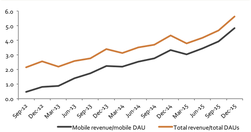
we’re seeing early signs that the value of a mobile user is greater than a desktop user... Facebook’s... shift from desktop to mobile has led to much higher engagement and average revenue... exactly the opposite of what everyone predicted. investing millions in rich video experiences... But isn’t a larger screen more immersive than a small mobil…
www.propelgrowth.com

the number of marketers who consider their content marketing effective dropped by 20%... content generated by the brands increased by 78%... the number of interactions by followers FELL by 60%... “Marketers are getting better at distributing content, but are not getting better at creating content worth distributing.”... marketers are under p…
qz.com

Platforms are eating publishers... The idea that Facebook and its ilk could act as information gatekeepers is also a bleak prospect... Facebook wouldn’t allow The New Republic to create an ad for an innocuous piece on medical marijuana ... If Facebook is squeamish about medical marijuana now, imagine the state of the fourth estate once controversy…
hbr.org

an edge is not just a term for advantage itself; it can also be the place where you can find that advantage... the outer rim that frames what you do and separates it, quite conveniently, from what you don’t... When you proceed beyond this border in business, the main thing that changes is risk. they are the places where the inside and the outside…
digiday.com

The time has come for The Guardian to make it on its own. Last week, the paper laid out a three-year plan to cut 20 percent of its losses... a re-vamped membership scheme, centralized data teams and a new ad model focusing on video and branded content. Here’s how the Guardian can drive a profit.
techcrunch.com

the new application is to deliver a round-up of curated news stories to readers, meant to be viewed first thing in the morning ... presented on eight different cards... the app’s content is able to be digested fairly quickly. Users can ... clicking a link to view the longer article, but they can also just use Refinery29 This AM to flip through car…
digiday.com

Gawker Media CEO Nick Denton was an extreme skeptic of publishers relying too heavily on Facebook. Now he's ... “all in” on publishing directly to Facebook with its Instant Articles program, a backtracking on Denton’s well-publicized lament that publishers are too reliant on platforms...Facebook, with its deep pool of accurate user data, can help …
digiday.com

BuzzFeed has mastered the art of distributed publishing... 5 billion views per month ... across 30 platforms, from Facebook to Pinterest to Snapchat. In a month it does 3 billion video views, less than 5 percent of which are on BuzzFeed.com.... But BuzzFeed must navigate a thorny transition... What’s the ROI of (brand) cat videos? Marketers al…
medium.com

what started as a cynical in-joke has become a bad habit, and an excuse for enabling abuse across the web... The fact that we joke about it documents an acceptance of a culture of abuse online. It helps normalize online harassment campaigns and treat the empowerment of abusers as inevitable, rather than solvable... we denigrate a form that use…
www.journalism.co.uk

The 12-person unit, called the social stories team, includes a variety of roles: writers, animators, graphics professionals, and producers, who create and package content for Instagram, Vine, Tumblr and Snapchat Discover.
www.usabilitycounts.com

Please design and build me a house. I am not quite sure of what I need, so you should use your discretion. My house should have somewhere between two and forty-five bedrooms. Just make sure the plans are such that the bedrooms can be easily added or deleted. When you bring the blueprints to me, I will make the final decision of what I want. Also, …
medium.com

This playbook includes tons of ways to jump start your snaps ...If you’re looking for a massive list of ideas to cycle in and out of your Snapchat feed, this is the place
www.usatoday.com

For journalists, Facebook Live “is a really new way for them to connect,” says Facebook product manager Vadim Lavrusik. “The magic of Live is it's interactive. The people who are viewing the broadcast are just as much a part of it.”
observer.com

legacy magazine has partnered with WNYC to launch an hour-long radio show ... introduced a metered paywall ... continued to attract sponsors and big names to its annual citywide weekend of panel discussions, interviews and performances.... an Amazon series premieres on February 16...
www.niemanlab.org
Coda’s mission is to “stay on the story” after mainstream media leaves a crisis region... We pick crises that are consequential and complex, and that can’t be understood through sporadic flashes of attention... the site won’t be trying to keep up with breaking news...watch things unfurl at the pace of evolving trends rather than daily development…
qz.com

We first noticed how Trump stories drove traffic—and thus revenue—at TheStreet.com last summer... if a website earns $20 for every thousand page views, it can make, say, $20,000 on a Trump story, but only $2,000 on an article about Cruz, Clinton, Sanders or Rubio... giving him even greater leverage over the media... even the smallest items of Tru…
www.niemanlab.org
“We can’t cede the social world to large companies.”... discussed the Times’ attitude toward commenters and shared the results of a Times survey that asked commenters why they comment:... News organizations, he said, need to make building community around news more of a priority. (Though, of course, that’s easy for an editor from the Times to s…
medium.com

Three months into Dialog, I’m excited to say we’ve succeeded in creating a well-lit place for thoughtful, live conversations between the Digg community and the people who make the best stuff on the Internet... Clear community guidelines work. Pre-moderation works. And most of all, the amount of personalized attention we’re willing to give each use…
digiday.com

Another 13 U.K. publishers are signed up to start using Facebook’s Instant Articles, including The Daily Telegraph, The Mirror, The Daily Mail and The Economist, Sky News, sports site 90min.com and The Sun.The BBC and the Guardian were the first U.K. partners, and there are plenty more waiting in the wings.
groupme.com

Free group messagingIt's like a private chat room for your small group. Have as many as you want, and it's always free. Now, you can coordinate with coworkers, organize a game night, and keep in touch with family all in the same place.
medium.com

there’s no shortage of startups, projects, and developers trying to apply the blockchain concept to everything... because it gives the tech industry another bite at a long-coveted apple: decentralization. Is there a decentralization event-horizon beyond which platforms simply dissolve... Here are two instances of that dream... Ujo imagines an au…
Loading more...
Relevant Overviews
- Content Strategy
- Fediverse
- Online Strategy
- Online Community Management
- Social Media Strategy
- Content Creation & Marketing
- Online Architecture
- Digital Transformation
- Change & Project Management
- Thinking tools
- Blockchain, Crypto, NFTs etc
- Innovation Strategy
- Communications Tactics
- Psychology
- Social Web
- Media
- Politics
- Communications Strategy
- Science&Technology
- Business